LA Wildfire 2025
What Is the LA 2025 Wildfire Lawsuit?
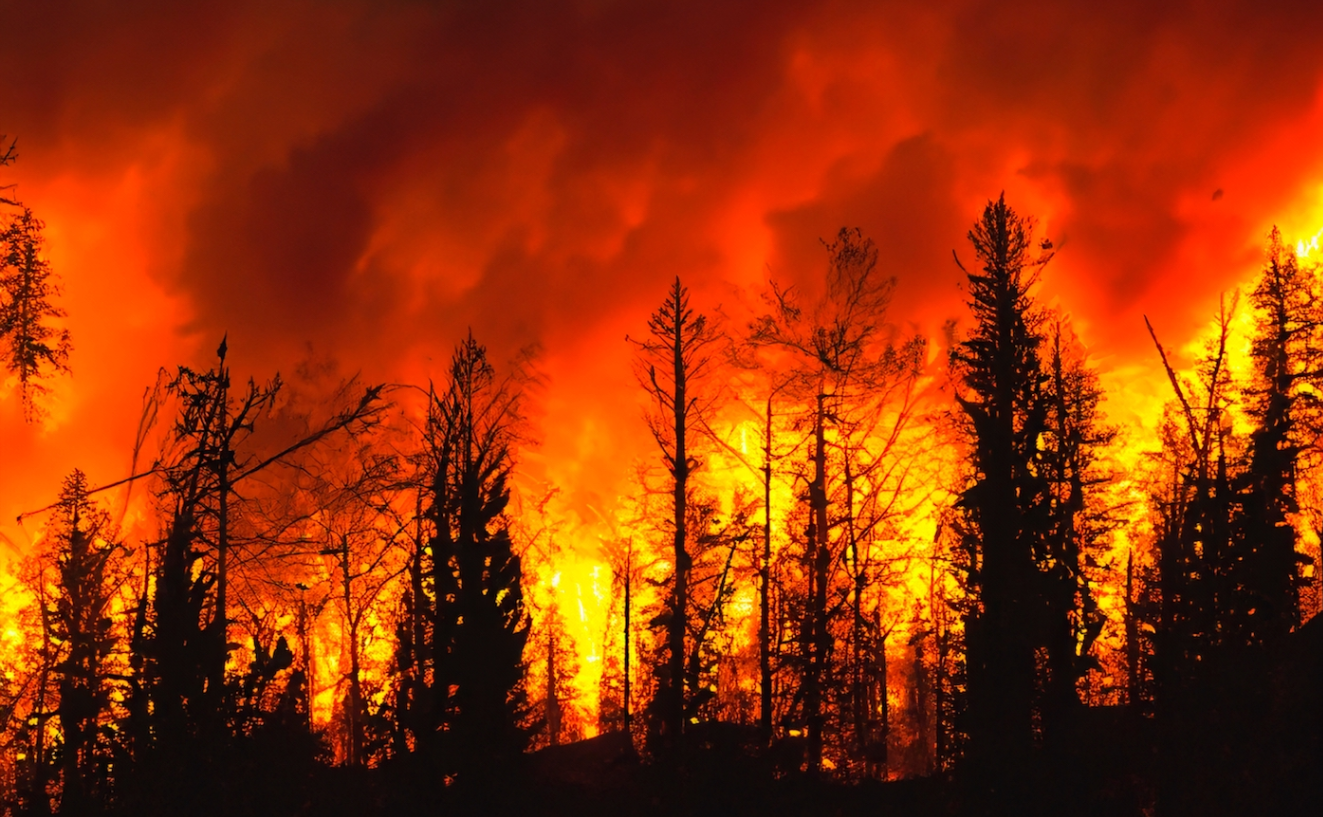
Residents and businesses filed lawsuits after the catastrophic January 2025 wildfires in Greater Los Angeles—particularly the Eaton and Palisades fires. Claims focus on negligence by utility and municipal entities in power infrastructure and firefighting preparedness, exacerbating loss of life, homes, and livelihoods.
Scope & Case Volume
The Eaton Fire burned ~14,000 acres, destroyed ~9,400 structures, and caused ~18 fatalities in Altadena and nearby areas.
The Palisades Fire destroyed thousands of homes, led to ~12–25 deaths, and devastated Pacific Palisades and Malibu communities.
Multiple lawsuits filed against Southern California Edison (SCE) and Los Angeles Department of Water & Power (LADWP), along with government defendants and insurers.
- Lawsuits by dozens of homeowners against LA City and LADWP for failure to maintain water infrastructure and energized power lines.
- A $10 billion class action filed against LADWP, the City of Los Angeles, and state agencies, alleging inverse condemnation and negligence.
- Shareholder suits filed against Edison International alleging misleading claims about wildfire mitigation efforts.
- Insurer lawsuits (e.g. USAA) alleging systematic under-insurance post-disaster.
Who Are the Defendants?
- Southern California Edison (SCE): Alleged failure to maintain and de-energize power lines, leading to ignition of the Eaton Fire.
- Los Angeles Department of Water & Power (LADWP): Alleged water supply failures during the Palisades Fire, including empty reservoirs and nonfunctional hydrants.
- City of Los Angeles and multiple state agencies: Implicated in infrastructure and land-management failures.
- Major insurance firms (e.g. USAA, State Farm): Accused of lowballed payouts and antitrust violations.
Allegations & Failures at Issue
SCE allegedly failed to de-energize power lines during high wind “red flag” warnings, causing sparks and ignition. Maintenance logs show some lines were overdue for repair, and infrastructure inspections were neglected.
LADWP reportedly allowed its Santa Ynez Reservoir to run dry and operated thousands of fire hydrants at low or no pressure, hampering firefighting efforts.
Claims include negligence, breach of duty, inverse condemnation (utility responsible regardless of fault), and violations of public utilities codes.
Insurer claims accuse providers of artificially limiting coverage in fire-prone zones, pushing homeowners into the state FAIR plan with inadequate compensation.
Legal & Trial Timeline
- Initial lawsuits filed in January–March 2025, including wrongful death, inverse condemnation, and negligence claims.
- The class action seeking over $10 billion was filed in July 2025 on behalf of property owners, businesses, and renters.
- Mass tort strategy favored by some plaintiffs (not class action) to allow individualized damage assessments.
- California law of inverse condemnation plays a key role—utilities may be liable even absent direct negligence.
- SCE announced a Wildfire Recovery Compensation Program, launching fall 2025 to compensate victims voluntarily.
Compensation & Outlook
| Category | Details |
|---|---|
| Property & business losses | Severe damage, destruction of homes and livelihoods |
| Wrongful death & injury claims | Loss of life, medical bills, trauma |
| Municipal & insurer liability | Inverse condemnation and under-insured claims |
| Class action filed amount | $10 billion claim against government entities |
| Utility compensation plan | SCE voluntary payout program launching fall 2025 without legal fees |
| Future litigation value | Cases expected to yield high payouts—especially in high-damage or fatal instances |
Why Filing a Claim or Joining Lawsuit Matters
Victims may secure individual compensation for property damage, injuries, loss of income, and wrongful death. Class or mass tort actions may provide declaratory relief or extend government claim timelines in fire zones. Filing early ensures eligibility under California’s six- or twelve-month filing rules, which many survivors may miss. Legal advocacy supports equitable treatment in utility and insurance company settlements and helps drive broader recognition of systemic failures.
© 2025 Legal Outreach Team. All rights reserved. |
Privacy Policy |
Terms & Conditions
28 W Loockerman St, Dover, DE 19904 | contactus@legaloutreachteam.org